Water Sustainability of Turkish Dairy Sector: Efficiency, Risks and Vulnerabilities

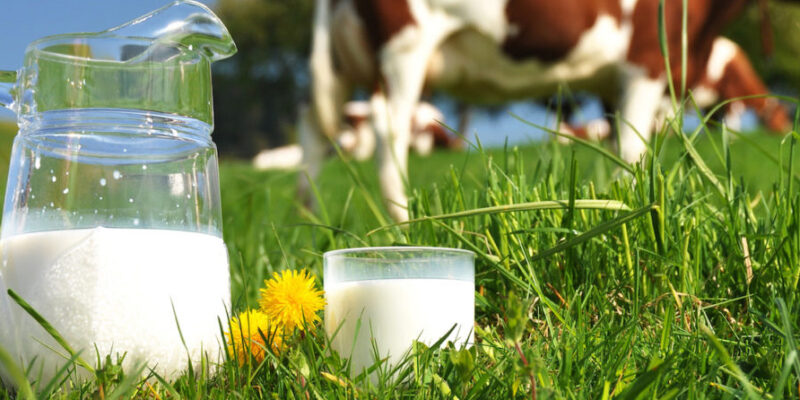
The “Water Sustainability of the Turkish Dairy Industry: Efficiency, Risks and Vulnerabilities” project was carried out by the Association of Packaged Milk and Dairy Products Manufacturers (ASÜD) with the support of the Turkey – EU Civil Society Dialogue call for the fifth term. In the project where ASÜD is the coordinator beneficiary; International Business Leaders Forum (IBLF) from England, Water Footprint Network (WFN) from Netherlands and Climate Research Association (IAD)-GTE from Turkey took place as co-beneficiaries.

The aim of the project is to assess the water risk and examine the possible effects of water risk on the value chain, thereby reducing the vulnerability of the Turkish dairy sector regarding water-related risks. Within the scope of the project, field visits were carried out at the farm and enterprise level, and the water dependency in the entire value chain of the current water use in the Turkish dairy industry (feed, dairy animal raising, milk and dairy products production and delivery to the consumer) and the impact of the dairy sector on water resources were evaluated.
Investigation of the Conditions of Use of Iron Oxide Wastes in Sütas Biogas Facilities

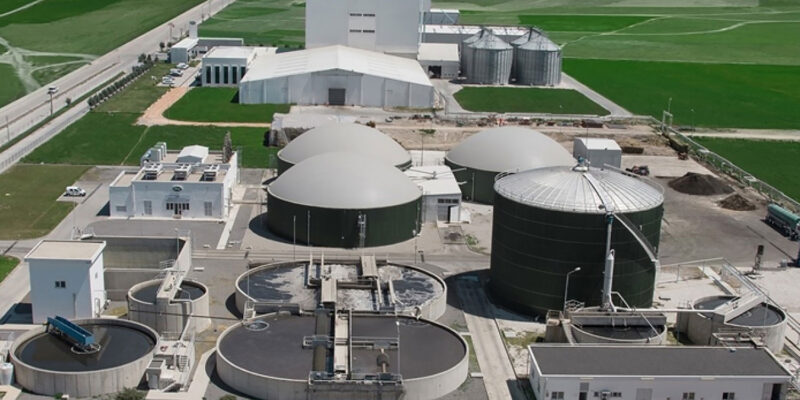
GTE carried out the Turkey Material Marketplace (TMM) R&D project supported by the EBRD with Sutas A.Ş. In the project, instead of FeCl3, which is used as H2S scavenger in the biogas facilities of SUTAS A.Ş., the use of iron oxide wastes from the metalworking industry was evaluated. In this context, analyzes were carried out on the waste samples taken from Beycelik Gestamp A.S. and the feasibility of the application, which was tested at Sutas biogas facility, was studied by GTE.

According to the results obtained in the developed R&D project, it has been seen that the waste going to the landfills in the current situation has the potential to be evaluated. With the realization of the project, a total of 324 tons of iron oxide waste will be used annually. The proposed industrial symbiosis implementation will yield a net annual savings of €78,450 with a payback period of 3.4 years. Considering the rapidly growing biogas market, although there are 85 biogas plants operating in Turkey, the demand for remedial chemicals in biogas is expected to increase further soon.

The other project we realized with SUTAS:

Yasar Holding Water Footprint, Efficiency and Water Risk Assessment

Within the scope of sustainability targets, water footprint & water efficiency for Yasar Holding’s prominent brands Pınar milk, Pınar meat, Pınar Su, Viking Kağıt, Dyo Boya, Dyo Printing Inks, Altın Yunus, Çamlı Yem Besicilik, Yasar Birleşik Pazarlama and Desa Energy, conducted water risks assessment, carbon footprint reporting and reduction studies.

Yasar Group companies, whose corporate carbon footprint was calculated by GTE and ERM in 2012, set the target of reducing their emissions per unit production by 15% in 2020, and with this target, Yasar Group became the first domestic company to receive an emission reduction commitment. In the study carried out, the carbon footprints of the companies and the hot carbon spots that cause the most carbon emissions were determined. Emission reduction measures have been put forward within the carbon reduction roadmap for each company.

Yasar Holding Carbon Footprint Reporting and Reduction Project

Within the scope of sustainability targets, water footprint & water efficiency for Yasar Holding’s prominent brands Pınar milk, Pınar meat, Pınar Su, Viking Kağıt, Dyo Boya, Dyo Printing Inks, Altın Yunus, Çamlı Yem Besicilik, Yasar Birleşik Pazarlama and Desa Energy, conducted water risks assessment, carbon footprint reporting and reduction studies.

Yasar Group companies, whose corporate carbon footprint was calculated by GTE and ERM in 2012, set the target of reducing their emissions per unit production by 15% in 2020, and with this target, Yasar Group became the first domestic company to receive an emission reduction commitment. In the study carried out, the carbon footprints of the companies and the hot carbon spots that cause the most carbon emissions were determined. Emission reduction measures have been put forward within the carbon reduction roadmap for each company.

Forests from the Sun Project

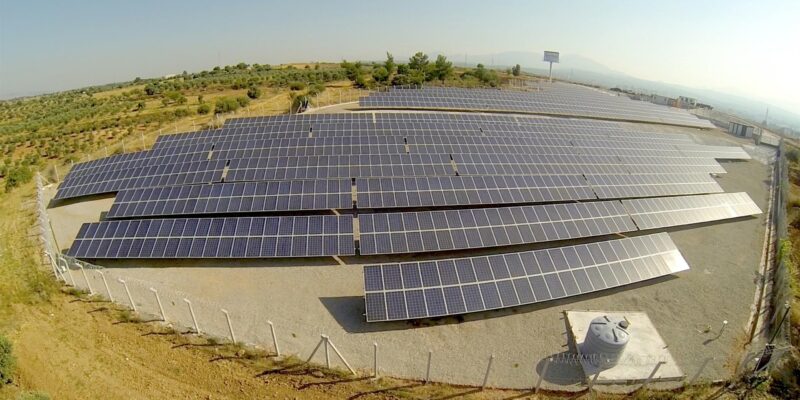
Within the scope of the “Forests from the Sun” project implemented by the Aegean Forest Foundation, a 500 kilowatt Solar Energy System is being installed. The carbon certification of the project will be carried out by GTE Carbon.

Within the scope of the “Forests from the Sun” project implemented by the Aegean Forest Foundation with the support of the Izmir Development Agency (İZKA), a part of the electricity produced will be used for agricultural irrigation of the olive grove of 30 thousand trees in Menderes-Oglayanasi; The surplus electricity produced will also be sold to GEDIZ EDAS. New forest areas will be created with the income. The project, which has also applied to the Gold Standard for carbon certification under the name “Solar for Forests”, is expected to be the first project developed by a non-governmental organization in Turkey to be certified in the field of solar energy.